Start from where you are
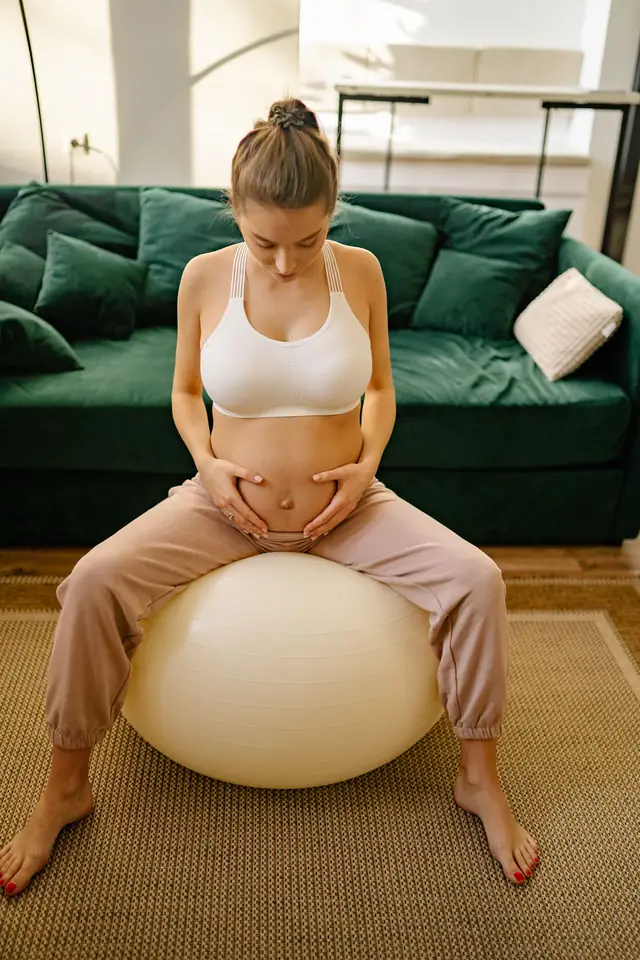
Movement can include walking, everyday activity and exercise you enjoy. Your previous activity, symptoms and any medical advice matter more than a generic challenge. Pregnancy is not a competition to maintain someone else’s routine.
Ask about adaptations
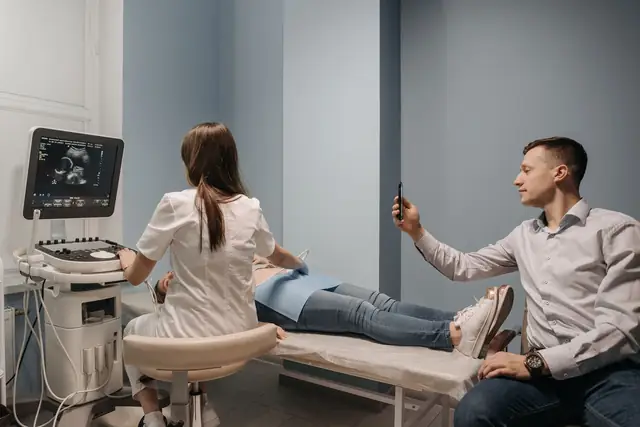
Speak to your maternity team about activities you are unsure about, especially if you have a health condition or pregnancy complication. An appropriately qualified instructor can help adapt a class. Avoid activities that carry a high risk of falls or impact, and use current NHS exercise guidance.
Make space for rest
Comfort, temperature and hydration matter. Adjust your plans if you are tired, dizzy or unwell. Stop and seek advice about symptoms rather than trying to meet a step target.
Remember the pelvic floor
Ask your midwife or a pelvic health physiotherapist about pelvic-floor exercises and whether your technique is right for you. Pain, heaviness or leakage are reasons to seek support. An exercise timer can support a routine, but cannot assess or treat a pelvic health problem.
Choose the manageable version
Start with what you already enjoy and what your maternity team says is appropriate for you. A practical plan might include:
- A comfortable activity and a shorter option for days with less energy.
- A chance to rest, drink and adjust the pace without feeling you have failed.
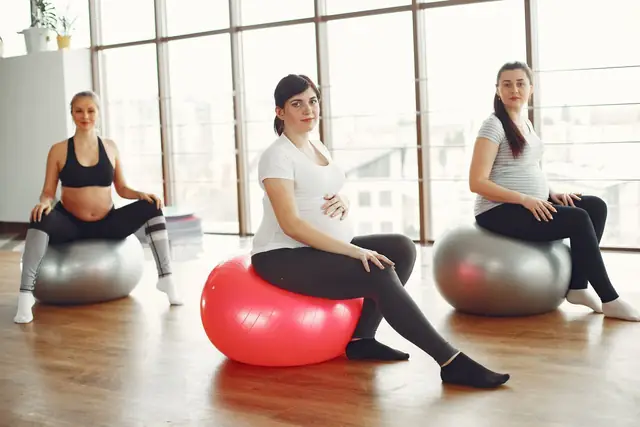
- An instructor who knows you are pregnant and is qualified to adapt the activity.
- A conversation about any pain, new symptoms or uncertainty before continuing.
A class photograph is not an exercise prescription. Your health, experience and stage of pregnancy affect what is suitable. Do not push through discomfort to complete a target or copy a movement from an image. Ask your midwife if you are unsure where to begin.
Sources & further reading
Read the original guidance for more detail. See our editorial policy for how we select sources and update these guides.
NHS: Exercise in pregnancy